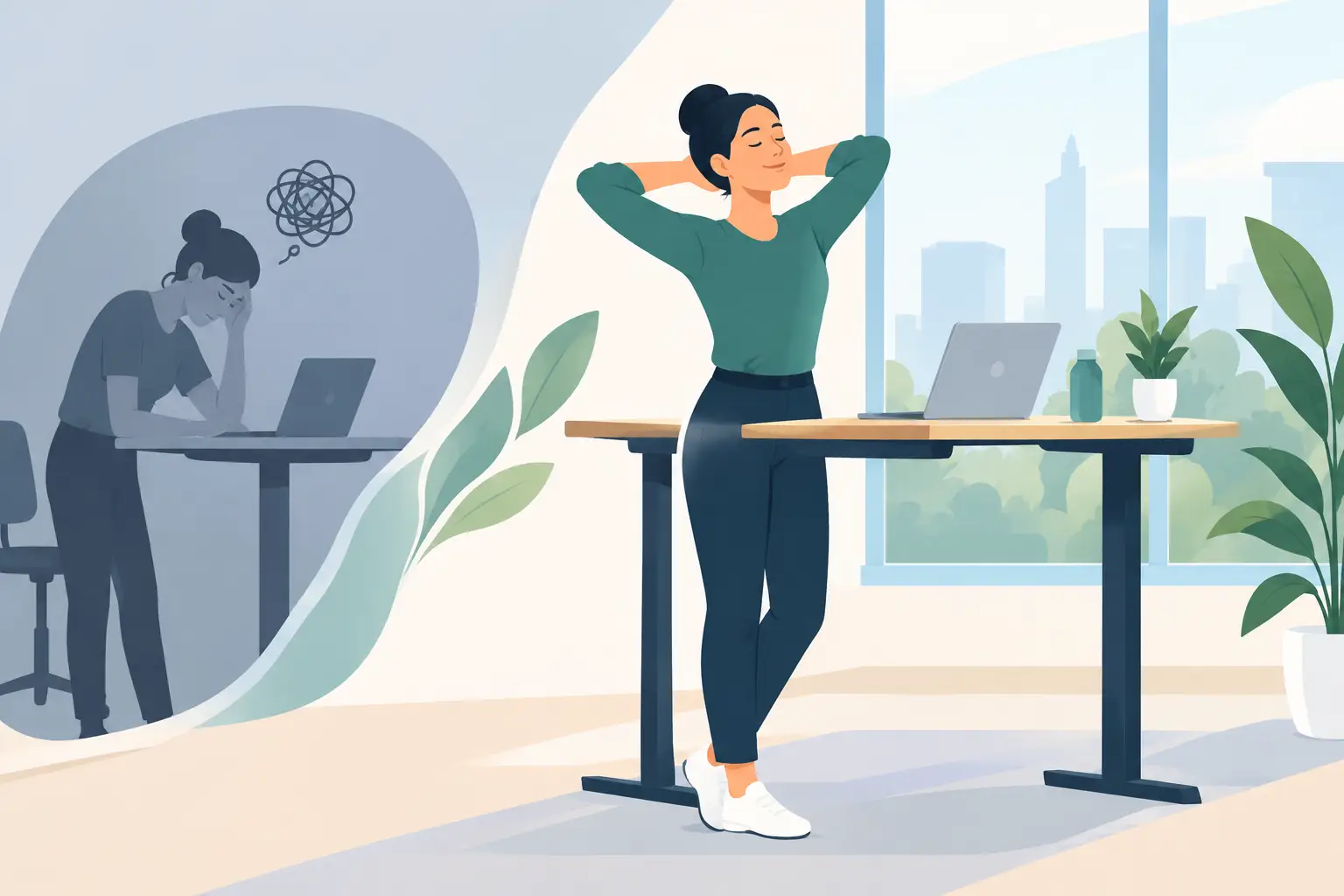
Your shift ends, but your feet may still feel like they are clocked in. Whether you work in retail, hospitality, healthcare, a salon, a warehouse, or a busy kitchen, knowing how to recover from standing work can make the difference between a tired evening and a body that feels supported.
Standing for hours asks a lot of your feet, calves, knees, hips, and lower back. It can also leave you mentally worn down, especially when your day involves helping customers, moving quickly, or staying alert through long stretches. Recovery does not need to be complicated. Small, consistent rituals can help your body release tension, improve circulation, and settle into real rest.
Why standing work leaves you so sore
Standing is not the same as moving. Walking changes the load on your muscles and helps blood circulate through your legs. Staying in one place, even with small movements, can keep pressure concentrated in the feet and lower body. Hard floors, unsupportive shoes, and limited breaks can make that strain build through the day.
Your calves may tighten as they work to stabilize you. Your arches can ache from carrying your weight, while your hips and low back may compensate for tired legs. By the time you get home, it is common to feel heavy, stiff, swollen, or restless.
That does not mean soreness is something you simply have to accept. It means your after-work care should address both muscle tension and the quiet stress your body has been holding all day.
Start your recovery before your shift ends
The best recovery from standing work begins with a few small choices while you are still on the job. When possible, shift your weight from one foot to the other rather than locking your knees. Take a short walk during a break, even if it is only a lap around the building. Movement gives your calves a chance to pump blood upward and can ease that stuck, heavy feeling in the legs.
Your shoes matter more than most people realize. A supportive pair with enough room in the toe box can reduce pressure on your feet, while worn-down soles can make a long shift feel even longer. If your workplace allows it, cushioned insoles or a supportive mat at a stationary work area may help. The right choice depends on your foot shape, the surface you stand on, and how much walking your role requires, but pain should not be ignored as just part of the job.
Hydration is another quiet part of recovery. A busy shift can make it easy to go hours without water. Drinking regularly supports normal circulation and may help you feel less drained by the end of the day.
Create a gentle after-work reset
When you walk through the door, resist the urge to collapse in the same position for the entire evening. Rest is valuable, but a little easy movement first can help your body transition out of work mode.
Start with five to ten minutes of gentle walking around your home or a relaxed stroll outside. Then give your legs a chance to release. You do not need an intense workout after a demanding day. Think slow, comfortable, and calming.
A simple reset can include:
- Rolling the bottom of each foot over a tennis ball or chilled water bottle for a minute or two.
- Stretching your calves with one foot behind you, heel resting on the floor, without forcing the stretch.
- Sitting down to circle your ankles in both directions and gently point and flex your toes.
- Lying down with your lower legs supported on pillows or elevated against a wall for several minutes.
Elevation can be especially comforting when your feet or ankles feel puffy after a long day. Let your breathing slow while you rest. This is not wasted time. It is a signal to your nervous system that the workday is over.
Care for your feet, calves, hips, and back
Standing discomfort often starts in the feet but rarely stays there. The body works as a connected system, so treating only one painful spot may offer temporary relief without addressing the larger pattern.
For tired feet, a warm foot soak can feel deeply soothing. Follow it with a simple moisturizer and a few slow strokes through the sole, heel, and arch. If heat makes swelling worse, skip the soak and try a cool compress instead. Pay attention to what genuinely feels good rather than pushing through discomfort.
Your calves benefit from gentle stretching and massage. Use your hands, a massage ball, or a foam roller with light pressure at first. The goal is not to chase pain. It is to encourage tight tissue to soften gradually. If rolling leaves you bruised or more sore the next day, use less pressure or choose a gentler approach.
Do not forget the hips and lower back. A few minutes spent lying on your back with bent knees, or slowly bringing one knee toward your chest at a time, can help release the muscles that have been working hard to keep you upright. A warm shower or heating pad may also help your back settle after a demanding shift.
Make sleep part of your physical recovery
A good night of sleep is not a luxury after standing all day. It is when your body does much of its repair work. Yet sore feet, tight calves, and a busy mind can make it hard to relax once you finally have the chance.
Try creating a softer transition into bed. Dim the lights, put your phone aside for a few minutes, and give yourself a small ritual that feels peaceful. A warm shower, a calming scent, or legs elevated on pillows while you listen to quiet music can help your body shift out of high alert.
If your lower back feels strained, place a pillow under your knees when lying on your back. If you sleep on your side, a pillow between your knees can help your hips feel more supported. These adjustments are simple, but they can make a meaningful difference when discomfort tends to wake you up.
Massage can help you reset more fully
At-home care is helpful, but sometimes your body needs more focused attention. Massage can be a restorative part of a standing-work routine because it gives tight muscles time to relax while you step away from the constant demand to keep moving.
A firm but gentle Swedish massage can be a comforting choice when you feel generally tired, stressed, and tight through your feet, legs, shoulders, and back. It supports relaxation while helping ease the everyday tension that builds from long hours on your feet. Deep tissue massage may be a better fit when certain areas feel especially stubborn, such as tight calves, glutes, or lower back muscles. Extra-firm pressure is not always better, though. The right session is one that feels therapeutic without leaving you overwhelmed or excessively sore.
For many people, the mental reset matters just as much as the physical relief. Soft lighting, tranquil music, and aromatherapy can create a pause from the pace of work. At Violet Massage, that calm space is designed to help your body and mind recharge together, especially when your job asks you to stay on your feet and focused for most of the day.
When soreness needs more than self-care
General fatigue and muscle tightness are common after standing work, but certain symptoms deserve medical attention. Seek guidance from a healthcare professional if you have sudden swelling in one leg, redness or warmth, numbness, weakness, severe pain, pain after an injury, or symptoms that do not improve with rest. Ongoing heel pain, joint pain, or tingling may also be worth discussing with a doctor or podiatrist.
Massage and stretching can support everyday wellness, but they are not a replacement for medical evaluation when something feels unusual or severe. Listening to your body early can help prevent a small issue from becoming a larger one.
Build a recovery rhythm you can keep
The most helpful routine is the one you can actually repeat after a long day. You may not have time for a full stretch session, a foot soak, and an early bedtime every night. On busy evenings, even five minutes of elevation, water, and gentle calf stretching is a meaningful act of care.
On days off, give yourself a little more room to restore. Choose easy movement instead of staying completely still, wear comfortable shoes, and schedule time for the kind of care that helps you feel like yourself again. Regular massage, when it fits your routine, can be one steady part of that support.
Your body carries you through every shift. Meeting it with a few calm minutes of care at the end of the day can help tomorrow feel lighter before it even begins.
Leave a Reply