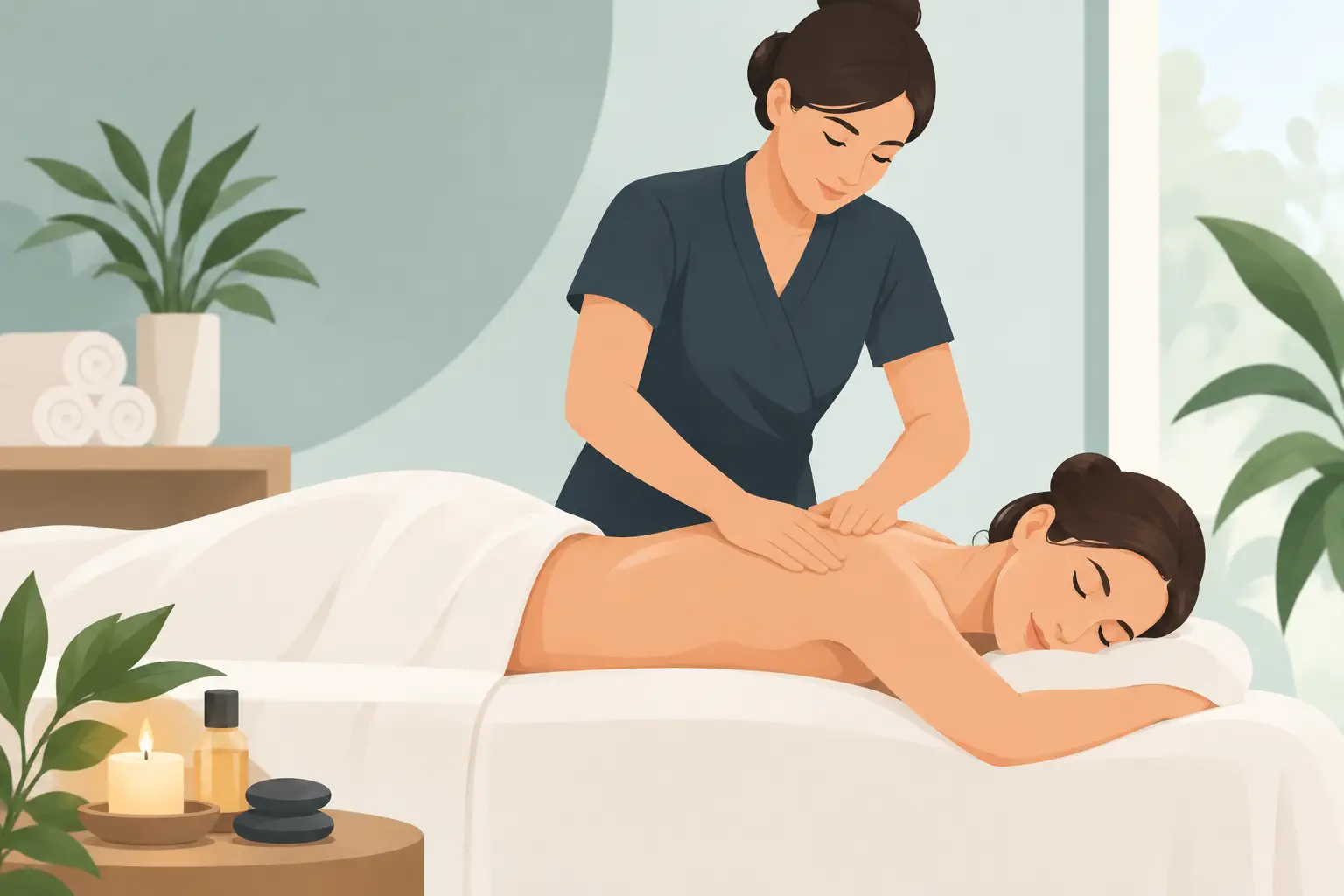
The tightness in your shoulders after a long commute. The headache that appears after a demanding week. The feeling of being tired but still unable to settle into sleep. These are the everyday signals that often bring people to therapeutic massage. A thoughtful session creates time to slow down, release built-up tension, and give your body the care it has been asking for.
For many people, massage is not an occasional luxury. It is practical self-care that can help them feel more comfortable at work, more patient at home, and more rested at the end of the day. Whether you carry stress in your neck and upper back, spend hours on your feet, or simply need a quiet hour away from constant demands, the right massage can offer a meaningful reset.
What Therapeutic Massage Is Designed to Do
Therapeutic massage uses intentional, hands-on bodywork to support relaxation and physical comfort. While every session feels personal, the goal is often the same: help muscles soften, encourage circulation, and ease the mental strain that can keep the entire body feeling tense.
Stress does not stay only in the mind. It often shows up physically through clenched jaws, raised shoulders, a stiff lower back, tired legs, and shallow breathing. Massage provides a calm setting where your nervous system can begin to settle. Soft lighting, tranquil music, and a comfortable table may seem simple, but they help create the conditions for genuine rest.
The results vary from person to person. Some clients notice immediate relief in a tense area. Others leave feeling deeply relaxed and sleep more soundly that night. Regular sessions may help you become more aware of where you hold tension, making it easier to respond before discomfort becomes part of your daily routine.
Massage is not a substitute for medical care, diagnosis, or treatment. If you have a recent injury, severe pain, numbness, unexplained swelling, fever, blood clot concerns, or a health condition that affects massage safety, speak with a qualified healthcare professional first. Sharing relevant health information before your session also helps your massage therapist tailor the experience with care.
Swedish or Deep Tissue: Which Massage Fits You?
The best choice depends on how your body feels today and what kind of pressure helps you relax. There is no prize for choosing the strongest pressure. A helpful massage is one that feels effective without making you brace, tense up, or hold your breath.
Swedish Massage for Gentle, Grounding Relief
Swedish massage is a wonderful choice when you feel generally stressed, mentally overloaded, or physically tired. It uses flowing strokes and firm but gentle pressure to encourage relaxation throughout the body. For someone new to massage, a Swedish session can be an easy and comforting place to begin.
This style is often ideal after a busy workweek, a stretch of poor sleep, travel, or long days caring for everyone else. Rather than focusing only on one stubborn area, it supports an overall sense of ease. You may leave feeling lighter, calmer, and more connected to your body.
Swedish massage can also be a good fit when you want self-care without feeling sore afterward. Although light tenderness is possible after any massage, the experience is generally centered on soothing comfort and restoration.
Deep Tissue Massage for Persistent Tightness
Deep tissue massage uses extra-firm pressure and slower, more focused work to address areas of deeper muscle tension. It is often chosen by people who deal with ongoing tightness in the neck, shoulders, back, hips, or legs, especially after repetitive movement, long shifts, workouts, or desk work.
Extra-firm does not mean painful. Productive pressure may feel intense at moments, but it should still be manageable. Speak up if the pressure feels sharp, causes you to pull away, or makes it difficult to breathe normally. Clear communication allows the therapist to adjust the pressure, pace, and focus so the work supports your body rather than overwhelms it.
After a deep tissue session, some people feel tender for a day or two, much like they might after activity. Drinking water, moving gently, and avoiding an unusually hard workout right afterward can help you ease back into your routine. If you want targeted work but are unsure about extra-firm pressure, ask for a balanced approach. Massage does not have to be all Swedish or all deep tissue.
What to Expect During a Massage Session
A comfortable session begins before the massage starts. You should have an opportunity to share what is bothering you, where you would like more attention, and how much pressure you prefer. This is also the time to mention any injuries, sensitivities, allergies, recent surgeries, or areas you would prefer to avoid.
During the massage, you are covered with a sheet or drape, with only the area being worked on exposed. Your comfort and privacy should remain central throughout the appointment. You can ask for more or less pressure, request extra focus on a particular area, or let the therapist know if you are too warm, too cold, or uncomfortable in any way.
You do not need to perform relaxation perfectly. Some clients fall asleep. Some notice their thoughts racing at first. Some realize how tense they have been only once they are lying still. All of those responses are normal. The purpose is not to clear your mind on command. It is to give yourself permission to pause.
The Value of Aromatherapy
Aromatherapy can add another layer of calm to your massage experience. Gentle, soothing scents can make the room feel even more restorative, especially when you are carrying mental stress as much as muscle tension. The fragrance becomes part of the ritual: a signal that this hour is set aside for rest.
Aromatherapy is optional, and it is not right for everyone. If you are sensitive to scents, have allergies, are pregnant, or simply prefer an unscented experience, mention it before your session. Wellness should always feel personal, never one-size-fits-all.
Making Massage Part of Real-Life Self-Care
You do not need a special occasion to schedule care for your body. In fact, massage often feels most helpful when it becomes a regular part of a realistic wellness routine. For one person, that may mean a monthly Swedish massage to manage stress. For another, it could mean occasional deep tissue work during physically demanding seasons of life.
Think about the patterns you notice. Do your shoulders tighten at the end of every month? Does your lower back start bothering you after long shifts? Do you sleep poorly when work gets busy? These patterns can help you decide when a session may be most supportive.
Between appointments, small habits can extend that feeling of relief. A short walk, a few gentle stretches, enough water, and a quieter evening after your massage can help your body hold on to the calm. These are not rules to follow perfectly. They are simple ways to give yourself a little more room to recover.
At Violet Massage, the experience is designed to feel approachable: a welcoming local setting, clear service options, and a peaceful atmosphere where you can step away from the noise for a while. Whether you choose firm but gentle Swedish massage or extra-firm deep tissue work, the focus stays on helping you leave feeling cared for.
Your body does a great deal for you every day. Giving it an hour of quiet attention can be a gentle reminder that restoration belongs in your routine, too.
Leave a Reply