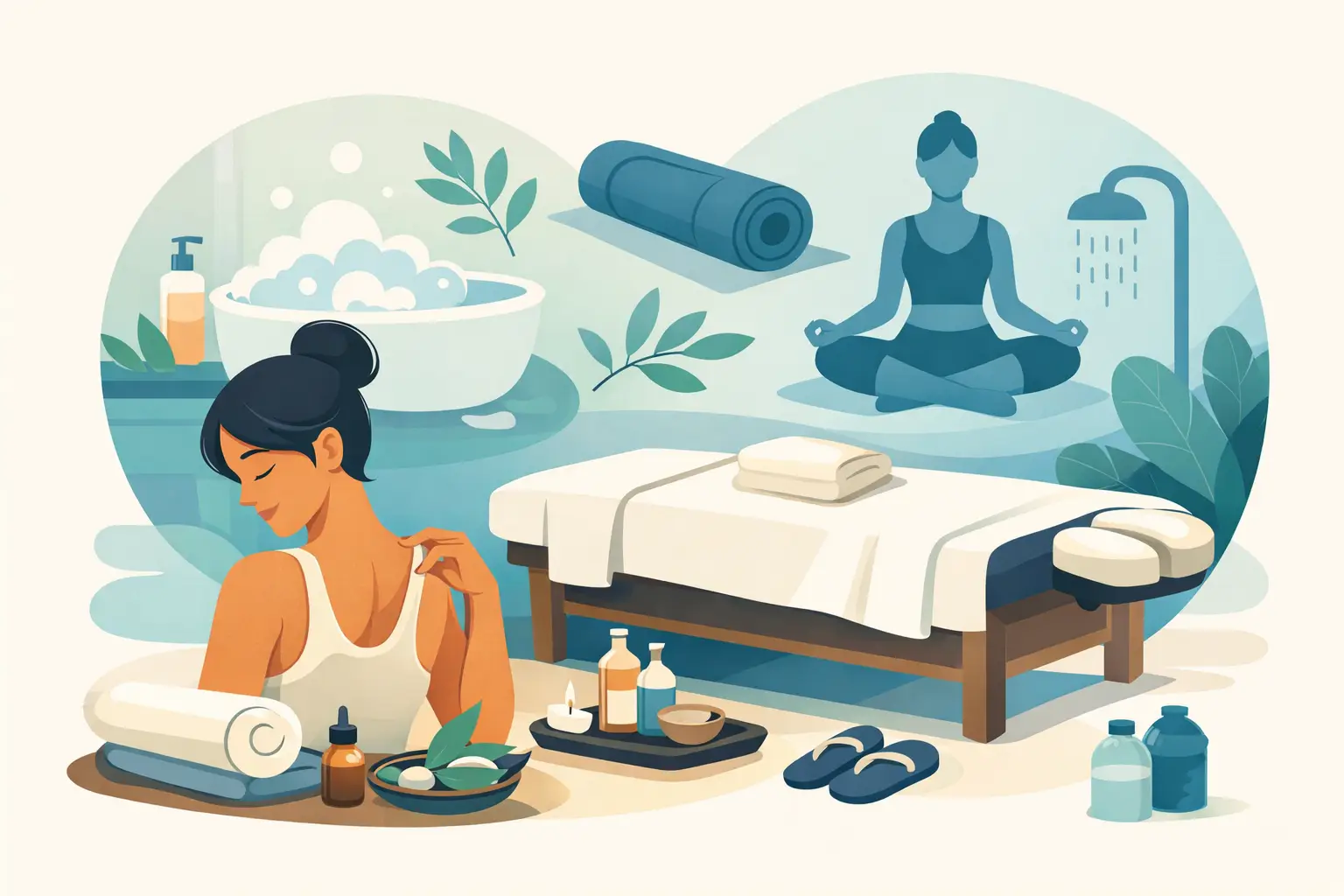
A massage tends to feel better before it even begins when you arrive calm, unrushed, and comfortable in your own body. If you have ever wondered how to prepare for massage, the good news is that it does not need to be complicated. A few simple choices before your appointment can help you settle in faster, relax more deeply, and get more from your session.
For many people, the hardest part is not the massage itself. It is shifting out of work mode, parent mode, traffic mode, or chore mode long enough to actually receive care. Preparation helps create that transition. It gives your body a chance to soften and your mind a chance to catch up.
Why how to prepare for massage matters
Massage is not something you need to perform for or get perfectly right. Still, what you do beforehand can affect how comfortable you feel on the table. If you show up overly full, dehydrated, late, or mentally scattered, it may take longer to settle into the experience.
On the other hand, when you give yourself a little breathing room, the benefits often come more naturally. Muscles tend to release more easily. Breathing deepens. Your nervous system has a better chance to move away from stress and toward rest. That matters whether you booked a gentle Swedish session for relaxation or a deeper, more focused massage for heavier tension.
What to do in the hours before your appointment
Start with timing. Try not to race in at the last possible minute. Arriving a little early can make a real difference, especially if your day has been noisy or hectic. Even five to ten quiet minutes can help you shift gears.
Food is another place where balance helps. It is usually best not to come in starving, but it is also wise to avoid a heavy meal right before your session. A light snack or a normal meal a couple of hours earlier often feels best. If you eat too much too close to your appointment, lying face down may feel uncomfortable. If you have not eaten at all, you may feel distracted or lightheaded.
Hydration matters too, but there is no need to overdo it. Drink water throughout the day as you normally would. Being reasonably hydrated helps your body feel better overall, and many people notice they are more comfortable during bodywork when they have not spent the day running on coffee alone. At the same time, chugging a large bottle of water right before your session may simply leave you thinking about the restroom.
If possible, avoid intense workouts immediately before your massage. Some people enjoy massage after exercise, but a strenuous session right beforehand can leave you overheated, rushed, and less able to relax. It depends on your body and your goals. If the massage is meant to help you recover after physical activity, that can work well. If your main goal is deep relaxation, a little space between the gym and the table is often better.
What to wear and what to bring
Comfort should guide your choices. Wear clothes that are easy to change out of and easy to put back on. Soft, loose clothing tends to feel nicest after a session, especially when your body feels heavier, calmer, and less interested in waistbands that pinch.
You do not need to dress up for a massage appointment. In fact, many clients feel more at ease when they keep things simple. Skip anything fussy, restrictive, or hard to remove. Jewelry is also easier left at home when possible.
As for what to bring, less is usually more. Bring payment, your phone if needed, and anything essential, but try not to carry your whole day in with you. The goal is to make the experience feel lighter, not more crowded. If you know you will need to head straight back into errands or work afterward, consider bringing a water bottle and a comfortable layer so the transition feels gentler.
How to prepare for massage if you feel nervous
A lot of first-time clients worry about doing something wrong. They wonder what they are supposed to say, whether they should talk during the session, or how much pressure to ask for. There is nothing unusual about that.
The simplest approach is honesty. Let your massage therapist know if you are new, if you are sore in a specific area, if you prefer a quieter experience, or if you are unsure which style is right for you. Clear communication is not awkward. It helps create a session that fits your needs.
You also do not need to force relaxation. That may sound strange, but many people put pressure on themselves to instantly feel peaceful. Sometimes your body softens right away. Sometimes it takes twenty minutes for your mind to stop replaying the day. Both are normal.
Breathing slowly can help. So can setting a simple intention before the session begins. You do not need anything elaborate. It can be as basic as, I want to let my shoulders drop, or, I want to leave feeling lighter than I came in.
Be clear about pressure, pain, and preferences
One of the most helpful parts of preparing for massage is knowing what you want from it. Some clients want a flowing, calming session that helps them settle their nervous system and sleep better later. Others want extra attention on tight shoulders, low back tension, or overworked legs. Neither goal is better. They just call for different approaches.
If you are choosing between Swedish and deep tissue, think about how your body usually responds to pressure. Firmer does not always mean better. Deep work can be very effective for stubborn tension, but if your body is already stressed and sensitive, a gentler approach may actually help you release more. It depends on what kind of tension you carry and how your body tends to recover.
During the massage, speak up if the pressure feels too light, too intense, too fast, or too focused on one area. You are not being difficult. You are helping shape the session. The same goes for room temperature, face cradle comfort, and whether you want conversation or quiet. A soothing experience is built on feeling safe and heard.
A few things to avoid before a massage
Most preparation is simple, but a few habits can make your appointment less comfortable. Heavy alcohol use before a massage is best avoided. It can interfere with body awareness, hydration, and your ability to relax in a grounded way.
It is also wise to skip strong perfume or heavily scented body products right beforehand, especially in a calm studio environment. If you are adding aromatherapy to your session, arriving with minimal fragrance lets that experience feel cleaner and more intentional.
Try not to load the hour before your massage with stressful tasks if you can help it. A rushed phone call, an upsetting errand, or an overpacked schedule can follow you onto the table. Life does not always allow perfect timing, of course. But when you can, give yourself a buffer.
What about showering, shaving, or other details?
Many people quietly worry about etiquette. A basic level of cleanliness is considerate and appreciated, but there is no need to turn your appointment into a test. If you can shower before coming in, great. If you are coming from a normal day of work or parenting and do not have time, that is also real life.
Shaving is optional. Makeup is optional. Having the perfect outfit, the perfect mood, or the perfect wellness routine is definitely optional. Massage is meant to support your well-being, not add another standard to meet.
The most helpful thing you can bring is simple awareness. Notice if you have a headache, if your lower back has been acting up, if your neck feels stiff from driving, or if stress has been sitting in your chest all week. Those details are useful. They help your therapist understand what your body may need that day.
Aftercare starts before the session ends
Part of knowing how to prepare for massage is planning for what comes after. If possible, avoid scheduling something intense immediately afterward. Give yourself at least a little space to enjoy the effects. Even a short quiet drive, a light meal, or an easy evening can help your body hold onto that softer state.
This matters because massage often does more than loosen muscles. It can leave you feeling grounded, sleepy, emotional, or deeply calm. Those are not bad signs. They are often part of your system letting go. If you can honor that instead of jumping straight back into stress, the benefits tend to linger.
At Violet Massage, many clients come in carrying the weight of work, family demands, long commutes, and poor sleep. The people who seem to get the most from their sessions are not necessarily the ones who do everything perfectly. They are the ones who let the appointment become a real pause.
You do not need a complicated ritual before your massage. Drink some water, wear something comfortable, eat lightly, arrive with a little time to spare, and say what your body needs. Then let yourself receive the rest.
Leave a Reply