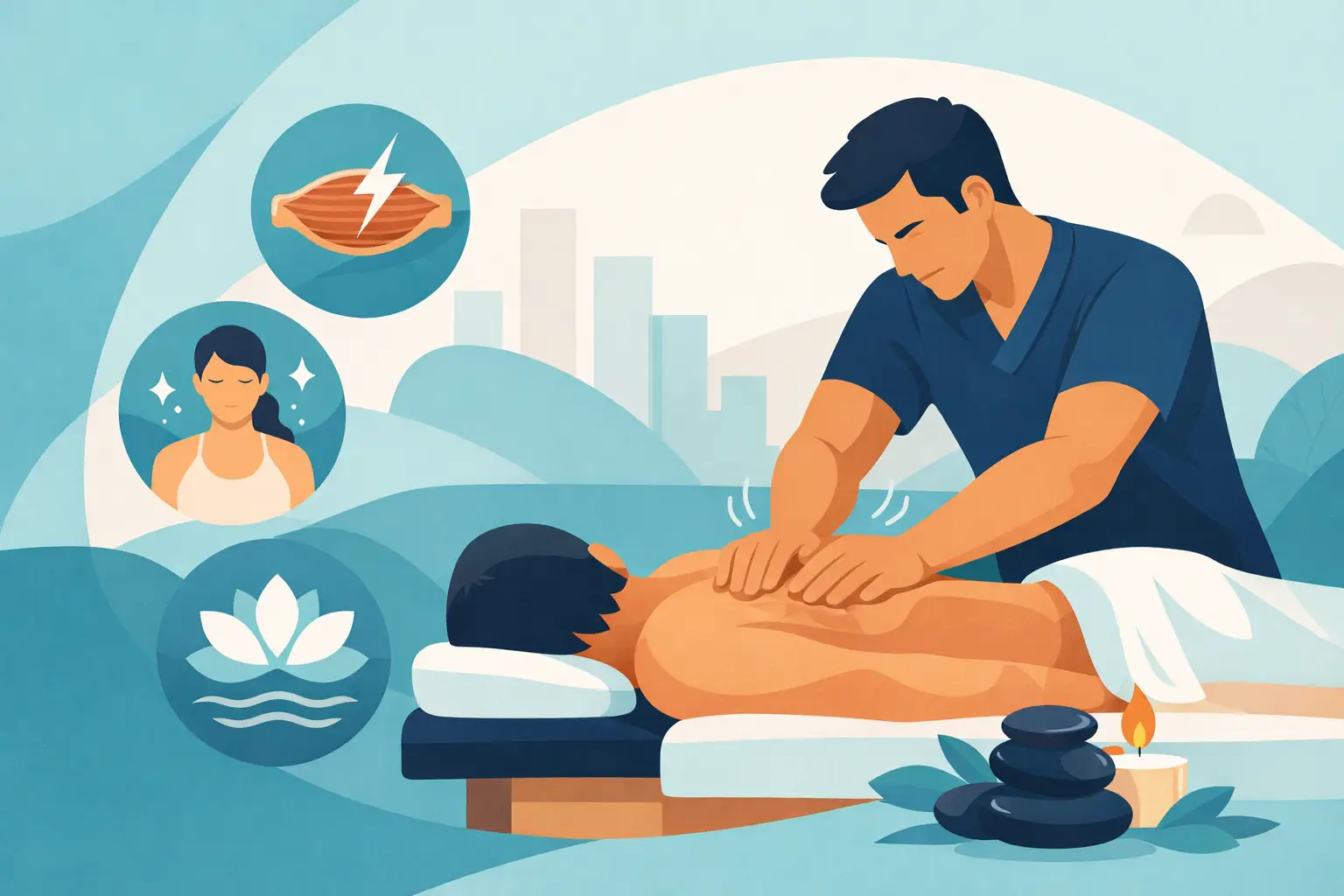
Some tension does not melt away with a lighter touch. It sits deep in the shoulders after long commutes, settles into the low back after hours on your feet, or lingers in the hips from stress you have been carrying for weeks. That is where extra firm massage benefits can stand out. For many people, this style of bodywork brings the kind of relief that feels noticeable not just during the session, but later that evening, the next morning, and sometimes for days after.
Extra firm massage is often associated with deep tissue work, but the real value is not simply stronger pressure. It is focused, intentional pressure applied in a way that helps release stubborn tightness, improve movement, and calm the body after it has been bracing for too long. When done well, it should feel therapeutic and productive, not punishing.
What extra firm massage really does
An extra firm massage works into deeper layers of muscle and connective tissue than a classic relaxation massage. That can make a real difference when your muscles feel dense, overworked, or guarded. Areas like the neck, upper back, glutes, and calves often hold tension that responds better to slower, deeper pressure than to broad, light strokes alone.
One of the clearest extra firm massage benefits is how it helps interrupt chronic muscle holding patterns. Many people live with a low level of constant tightness and do not fully notice it until it begins affecting sleep, posture, or range of motion. A deeper session can help those muscles soften enough for the body to stop fighting itself.
That does not mean deeper is always better. The goal is not to overpower the body. The goal is to meet tension with enough pressure to encourage release while still allowing the nervous system to stay receptive. If the body feels threatened, it may tighten more. Good massage work pays attention to that balance.
Extra firm massage benefits for everyday stress
Most clients are not training for an endurance event or recovering from a sports season. They are working, parenting, commuting, lifting, standing, sitting, scrolling, and trying to sleep through stress. Extra firm massage can be especially helpful for this kind of everyday wear and tear because it reaches the places where modern life tends to collect.
For desk workers, that often means the upper shoulders, neck, and between the shoulder blades. For service workers and busy parents, it may be the low back, feet, and forearms. For anyone under emotional strain, tension can show up almost anywhere, but the body usually tells the story clearly once the session begins.
Deeper pressure can improve circulation in areas that feel stagnant and compressed. Many people notice a warmer, lighter feeling in tight muscles after treatment, along with easier movement. That shift can make ordinary tasks feel less draining, whether that means turning your head while driving, climbing stairs, or simply sitting without feeling pulled into one position.
There is also a mental side to this. When your body has been clenching for days, your mind rarely feels fully at ease. Releasing physical tension often creates a sense of emotional exhale. The room gets quieter. Breathing gets easier. Thoughts slow down. In a calm space with soft lighting and tranquil music, that effect can feel even more restorative.
Pain relief, movement, and better sleep
People often seek deeper massage because something hurts. Maybe it is a tight band across the shoulders, morning stiffness in the low back, or hips that always feel restricted. Massage is not a cure-all, and it is not a replacement for medical care when pain is severe or unexplained. Still, it can be a meaningful part of how people manage muscular discomfort.
Extra firm pressure can help reduce soreness linked to overuse, repetitive strain, and postural tension. It may also improve flexibility in muscles that have stayed shortened for too long. That matters because discomfort is not always about one painful spot. Sometimes pain is part of a wider pattern of compensation, where one tight area forces another to work harder.
As movement improves, sleep often improves too. A body that feels less compressed tends to settle more easily at night. Many clients notice they fall asleep faster after massage or wake up less stiff the next morning. This is one of the quieter extra firm massage benefits, but for people who have been running on poor sleep and stress, it can be one of the most valuable.
There can be some tenderness after a deeper session, especially if the muscles were very tight to begin with. Mild soreness is not unusual. What you want is the kind of soreness that feels like your body released something, not the kind that makes you dread moving the next day. Hydration, rest, and a little gentleness afterward can help.
When extra firm pressure is the right fit
Extra firm massage tends to work best for people who already know they carry deeper layers of tension or who have tried lighter massage and wanted more focused work. If you often describe your muscles as knotted, stiff, heavy, or locked up, you may benefit from this approach.
It can also be a good fit if you want both therapeutic relief and a sense of reset. A session does not have to feel clinical to be effective. In a welcoming studio, deeper work can still be deeply calming. That combination matters for people who need real physical relief but also want an hour where they can step out of their usual pressure and feel cared for.
That said, there are times when extra firm pressure may not be ideal. If you are very sensitive to touch, new to massage, recovering from an injury, or dealing with inflammation, a gentler approach may be better at first. Some people do best with a blended session – firm but not intense everywhere, with more focused pressure only where the body asks for it.
Communication is what makes the difference. The best sessions are not about proving how much pressure you can handle. They are about finding the level that helps your body respond.
How to get the most from a deeper session
Before your appointment, it helps to think less about your pain scale and more about your patterns. Where do you feel tension at the end of the day? What movements feel limited? Do you wake up sore, get tension headaches, or carry stress in your jaw and shoulders? Sharing those details gives the session direction.
During the massage, speak up if the pressure feels too sharp, too much, or strangely numbing. Productive pressure often feels intense but manageable. You should still be able to breathe through it. If you are holding your breath or bracing hard, the pressure probably needs to change.
Afterward, give your body a little time. Try not to rush straight back into a frantic schedule if you can help it. Drink water, take a warm shower later, and notice how your body feels over the next 24 hours. Sometimes the biggest shift shows up after the session ends, when you realize your shoulders are lower, your stride is easier, or your mind feels quieter than it has all week.
For many people, the real benefit comes with consistency. One massage can help, especially when tension has built up to the point of discomfort. But regular care often brings better results because the body does not have to start from the same level of tightness every time. That is part of why massage works so well as practical self-care. It is not only about fixing a bad day. It is about supporting your body before stress becomes your baseline.
At a local studio like Violet Massage, that kind of care can feel simple and accessible rather than like an occasional luxury. A deeper session, especially when paired with a peaceful room and optional aromatherapy, can become part of how you stay steady through busy weeks.
The best reason to choose extra firm work is not that it sounds more serious or more intense. It is that your body may need a little more support to let go. When the pressure is skilled, thoughtful, and matched to what you are carrying, relief can feel less like a treat and more like coming back to yourself.
Leave a Reply